Tag: an everlasting meal

Beet Tart

beet tart

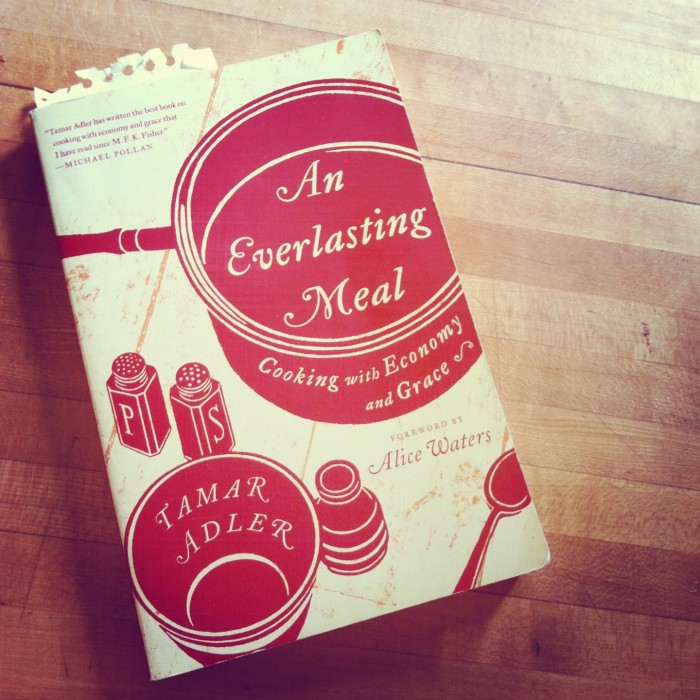
OK people – I know we read a lot of food books and talk about them all the time, but if there is ONE book you are going to read from our suggestions, let it be An Everlasting Meal by Tamar Adler.  It is amazing book that changed my life, and is sure to make you think and act differently around food.  If you have not read it yet, go read our blog post on her book, and then continue below.

This beet tart is a perfect example of Tamar’s philosophy and grace: if you attacked this beet tart recipe from start to finish in one cooking session alone – it would take most of your day; first you would have to roast the beets (which takes a long time anyway), then make tart dough and chill it for an hour, then bake the tart dough, then put together the filling, bake some more, add the sliced beets, and bake once again.  Sounds daunting! I would never have done this recipe if it wasn’t spread out over many days and incorporated in the general meal preparations for the week.  However, the manner in which it was made made it feel like I was just throwing leftovers together in a very creative way, rather than a labor intensive ordeal.

Here’s what happened: A few days before, Annie and I roasted a whole bunch of veggies for dinner (or was it lunch?).  We filled the whole oven and roasted lots of different veggies with olive oil and salt.  I fit the beets in a small pan with a 1/2 inch of water in the bottom, covered them with foil, and let them roast for a long time (probably too long, I may have forgotten about them).  We ate the other roasted veggies as part of our dinner that night, but we had no intention of eating the beets that day, so we didn’t have to wait around for them to roast.  We let them cool and then peeled them and put them in the fridge before bed.  Now we had roasted beets peeled beets in the fridge.  We had no plan but we had ideas: beet salad, beet pasta, or beet anything; they were simply a nice starting point.

A few days before roasting the veggies, we had made a different veggie tart using the Olive Oil Tart dough recipe that can be found in Tamar’s book, so we had some leftover in the fridge.  A few days later, I looked in the fridge and saw that a perfect storm had brewed for a beet tart.  There, sitting in the fridge waiting to be used, were roasted peeled beets, tart dough, and some leftover ricotta cheese.

If you want to make this recipe from start to finish, more power to you.  However, I would suggest at least making the tart dough a day ahead, and then looking through your fridge to find any vegetables that would work, roast them, and put them on top of the tart in place of beets.

Beet Tart

Note: You’ll want to roast your beets or other vegetables before you make the tart dough.

Ingredients

Olive Oil Tart Dough

2 1/2 cups all-purpose flour
1/3 cup olive oil
1/2 cup ice water
1 teaspoon salt

Beet Tart Filling

1 1/2 cups ricotta (fresh)
1/4 cup olive oil
2 Tb. cream (I think I just used leftover creme fraiche)
1/2 t. salt
2 egg yolks
a pinch of fresh thym or rosemary

Instructions
Olive Oil Tart Dough

Mix all ingredients together in a bowl. If its too dry, add more water, a tablespoon at a time. Divide the dough in half and roll into balls, then put them in the fridge to chill.

Take out one dough ball (you get to save the rest for another day!) and roll it out on a floured counter until its about 1/4 inch thick. Heat the oven to 400 degrees.  Grease the bottom of a 9-inch pie pan and dust with a bit of flour. Lay the crust in the pan and trim the edges. Prick the bottom a few times (this dissuades bubbles from appearing in your tart dough). Cover the crust in aluminum foil and put some dried beans or pie weights in to fill the tart and hold down the dough. Bake for 20 minutes.

Beet Tart Filling

Whisk together filling ingredients. Pour into the pre-baked tart dough (remember to take out the dried beans and aluminum foil!) and bake at 400 degrees for 15 minutes.  Now lay your beet slices (I cut mine into half-moons) on top of the ricotta filling in a single layer and bake for another 10 minutes.  Let it cool and eat at room temperature.

It is very filling and great for lunch the next day and many days after!

Tamar Adler’s “An Everlasting Meal”

I have come across a book that has changed the way I think about food and cooking, and I want to tell you all about it. I’m not sure how I came across it, but somehow I did, and when Jonah and I went to Powell’s with a friend, I made sure to pick it up. It’s called An Everlasting Meal: Cooking with Economy and Grace by Tamar Adler.

Tamar Adler

Tamar Adler seems to be the perfect combination of writer and cook. She was an editor at Harper’s Bazaar, and still occasionally writes for them. But she also worked at Prune and Chez Panisse, so clearly has some foodie chops. Unlike most of the other food books I’ve written about, Adler’s book isn’t her life story, the tale of the opening of her own restaurant, or even a cookbook. This book is full of tips and ideas on how to use the ingredients you’ve got to your fullest advantage and make delicious food. (One of my favorite tips on roasting vegetables and vegetables in general: “If you need vegetables to share a roasting pan, choose ones that have grown in similar ways. This rule helps when you want to know which vegetables can stand in for which in recipes as well.”)

After having fallen in love with this book, I have read more of Tamar Adler’s articles. I recently read a conversation between her and Kurt Michael Friese. Their philosophies about getting people to stop being afraid of cooking, to realize how simple (and inexpensive) it can be, and how food really brings people together are very aligned with my own. These philosophies are a large part of what led me to create this blog. I want everyone to know that it’s not that hard to roast asparagus with olive oil and salt, or to bake some trout in parchment paper. Anyone can do that.

Heavily inspired by M.F.K. Fisher’s How to Cook a WolfAn Everlasting Meal is split into chapters with titles like “How to teach an egg to fly,” “How to build a ship,” and “How to snatch victory from the jaws of defeat.” (On Adler’s website, you can find cute little videos to accompany some of the chapters, as well as links to more of her writing.) Subjects like how eggs can be a substantial part of any meal, using bread as a central part of the meal instead of as an appetizer, and entertaining are side by side with recipe ideas and recipes themselves, which are peppered throughout. But her recipes aren’t do or die… they’re more like gentle guidelines or suggestions. Some are written in normal recipe format, and some are in paragraph form amongst the text.

My copy of the book is marked up and dog-eared, with ideas circled and recipes starred on many pages. Jonah is reading it now, and I’ve told so many friends about it who have asked if they can borrow the book when he’s done. I am inclined to say yes, but then I think about how much I’ve used this book since owning it. I’ve used specific recipes as well as referencing sections for ideas and finding favorite quotes for inspiration when I’m feeling too tired to make dinner. And it always revives me, reminding me that all I have to do for a good meal is boil some potatoes and whip up some aioli and eat them with sauteed kale.

Here are some of my favorite quotes from An Everlasting Meal:

“All ingredients need salt. The noodle or tender spring pea would be narcissistic to imagine it already contained within its cell walls all the perfection it would ever need. We seem, too, to fear that we are failures at being tender or springy if we need to be seasoned. It’s not so: it doesn’t reflect badly on pea or person that either needs help to be most itself.”

Talking about making an omelette: “Beat two or three eggs in a bowl, adding a pinch of salt and a teaspoon of heavy cream if you want. This is not a trick, but and expresion of the fact that things taste good with cream added.”

Tamar Adler

And two of my favorites on entertaining:

“We’re anxious about serving, but the simple, blessed fact is that no one ever comes to dinner for what you’re cooking. We are all hungry and thirsty and happy that someone’s predicted we would be and made arrangements for dealing with it. We come for the opportunity to look up from our plates and say ‘thank you.’ It is for recognition of our common hungers that we come when we are asked.”

“I like to serve food family style. It’s pleasurable to spoon a potato onto a fellow diner’s plate. It binds you to her, for the duration of the dinner at least, in a way that makes conversation easy and the atmosphere good.”

She writes a lot about the importance buying locally grown, good ingredients, and most of what she cooks with is good produce. Even though I know it’s a huge part of cooking, I am still in awe of what good fresh ingredients can do. Which is one of the reasons I’m so excited that the farmers market has started again here in Portland. Here are my spoils from today.