Season

Cheese Straws with a Bite

Cheese Straws with a Bite

Cheese Straws with a Bite

For some reason I’ve been in the mood to make some kind of cheesy snacking food lately, like crackers or something. So this weekend when I was up in Seattle, I took the opportunity to make these cheese straws from Smitten Kitchen. They are ridiculously easy and have quite a bite to them due to the red pepper flakes. If you don’t want to risk them being too spicy for you (or whoever else may be eating them), you can easily reduce the amount of red pepper flakes, but I thought it was quite delicious.

Cheese Straws

Ingredients

1 1/2 cups grated extra-sharp Cheddar cheese
4 tablespoons (1/2 a stick) unsalted butter, room temperature and cut into 4 pieces
3/4 cup flour, plus some for rolling out the dough
1/2 teaspoon salt
1/2 teaspoon crushed red pepper flakes
1 tablespoon milk or half-and-half

Instructions

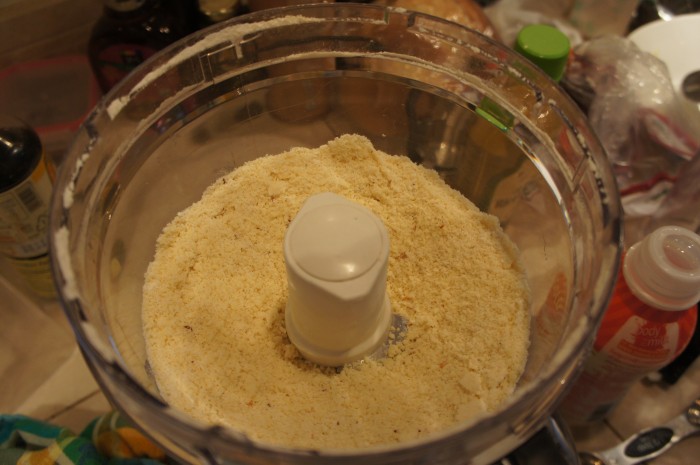
Preheat your oven to 350 degrees. In a food processor, pulse the cheese, butter, flour, salt, and pepper flakes. Pulse it until the mixture is in coarse crumbs.

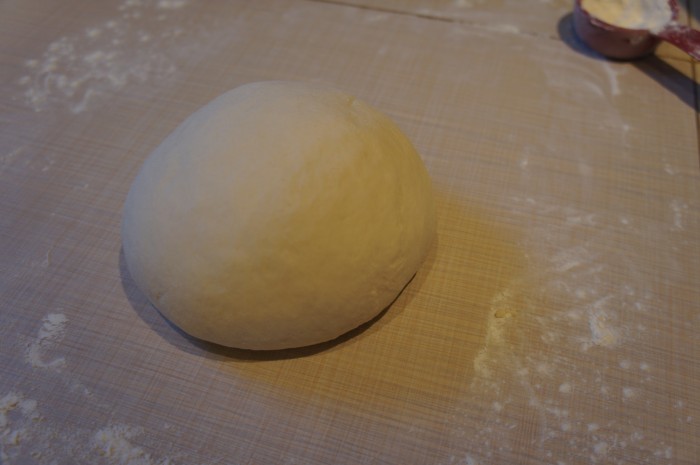
Now add the milk until the dough comes together and forms a ball. Lightly flour a cutting board or your kitchen counter, dump the dough out, and roll it into as rectangular of a shape as possible and about 1/8 of an inch thick. With a sharp knife slice the dough into 1/4 inch – 1/3 inch strips. I left some edges ragged and trimmed others, I don’t think it really matters.

Now you can gently put the strips onto a cookie sheet (no need to grease it because of the butter). You want to leave a little space between them, but they don’t need much (1/4-1/2 an inch is plenty). The dough is fragile, so they might break, but don’t worry about it. The cheese straws can be any length really.

Bake them in the oven for 12 – 15 minutes (I think I baked mine closer to 15, I like the ends nice and brown). Remove them from the oven, allow to cool for a minute or two on the baking sheet, and then transfer to a cooling rack.

Good luck keeping these around for long. They were gone pretty quickly. They’re perfectly crispy and cheesy with a bit of spice… Mm! I love them. Enjoy!

Salted Chocolate Cookies

Salted Chocolate Cookies

Salted Chocolate Cookies

Salted Chocolate Cookies

If you are into salt, and want to venture into the world of fancy salt, a good start is Maldon. This salt is the saltiest, crunchiest salt I’ve tasted, and made from the sea! Anyway, as I’ve mentioned before, there are members of my family who are in love with salt. So when my dad came across a recipe for salted chocolate cookies, we decided we had to make them the next time we were together, which happened to be this past weekend. I mean, come on, the recipe even calls for Maldon.

Another wonderful thing that comes from this recipe is the discovery of the wonderful blog Orangette. I knew I would like this blog immediately for 2 reasons: 1) the salted chocolate cookies you will see below. 2) it is written by Molly Wizenberg, one of the founders of Delancey in Seattle. If you live in Seattle, I recommend that you immediately stop reading this blog, get in your car, and go to Delancey. Delicious salads, delicate and scrumptious pizzas, and lovely desserts. It’s ok, the blog will be here when you get back. Just go.

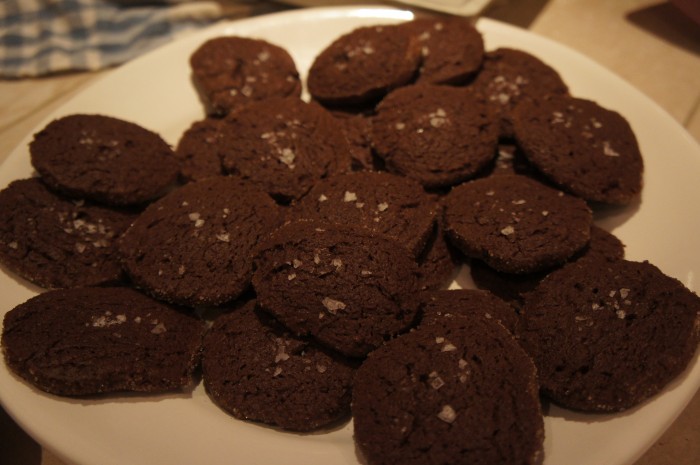
Now that you’re back, let’s continue. So these cookies are rich and light at the same time, and I am recently of the impression that salt makes everything better, so it’s a good sign that they’re decorated with fancy salt. Right?

Salted Chocolate Cookies

Makes 5 dozen cookies

Ingredients

8 ounces bittersweet chocolate, coarsely chopped
1 ¼ cups all-purpose flour
½ cup plus 2 Tbl unsweetened cocoa powder
2 tsp baking powder
8 Tbl (1 stick) unsalted butter, at room temperature
1 cup plus 2 Tbl sugar, plus more for rolling the logs
2 large eggs
¼ tsp table salt
1 tsp vanilla extract
1/3 cup whole milk
Maldon salt, for finishing

Instructions

First thing you’ll need to do is melt your chocolate. After you’ve cut it up, put it in a heatproof bowl that will fit securely on a small saucepan you’ve got. Put about 2 inches of water in the saucepan, bring it to a simmer, and put the bowl of chocolate on the pan. The bowl shouldn’t be touching the water, just getting the steam. You also want to make sure that no moisture gets into the chocolate as this will make it seize, which isn’t really good for anyone. Anyway, heat the chocolate and stir it occasionally until it is melty and smooth. Remove it from the heat (carefully, the bowl will be hot) and set it aside to cool.

Now, in a medium mixing bowl (not your electric mixer, mind you, if you’re planning on using one), combine the flour, cocoa, and baking powder. Set aside. In your electric mixer, beat the butter on a medium speed until it’s nice and creamy. Slowly pour in the sugar (perhaps even while the mixer is going, just be careful not to get sugar everywhere), and continue to mix until the butter/sugar mixture is smooth and soft. Now add the eggs one at a time, mixing well to incorporate after each one. Add the salt and vanilla, and, making sure it’s cool (you don’t want it to cook the eggs), the melted chocolate. Beat to incorporate all of these things into one beautiful mixture.

Now beat in the milk, and lastly, the flour mixture. Beat on low speed until it’s just incorporated. Here’s a little note about electric mixers: sometimes I turn mine up higher to fling off the stuff stuck on the paddle or whisk and get it mixed in. I should not do this unless the recipe I’m following specifically tells me to turn the mixer up high. Why? Because by doing this, I’m adding air to the dough/batter, which can make the cookies (or whatever I’m making) a different texture than they were intended to be. So now you know.

Now comes a fun/weird part. Dampen a counter and lay out a big piece of plastic wrap (dampening it – wiping it with a wet sponge – will help keep the plastic wrap in place while you work) and dump 1/2 or 1/3 of your dough onto it. Now you’re going to have to mush and mold and roll the dough using the plastic wrap to shape a log. The size of the log totally depends on how big you want your cookies to be. Mine was probably about 1 1/2 inches in diameter. Anyway, after you’ve smooshed it into a good log, you can wrap it up in the plastic wrap, twist up the ends, and stick it in your fridge to chill overnight.

When you’re ready to make some freaking cookies, preheat your oven to 350 degrees, and line a baking sheet with parchment paper. Also, remove your dough from the fridge. You’ll need that. Now, the recipe says to put parchment paper on your work surface, make a pile of sugar on it, and roll the dough in it. That did not work for me, though I did try. It probably would have worked better to put a cup of sugar in a shallow bowl and dunk the logs in that, but because I already had sugar all over my work surface (I also just used a cutting board instead of more parchment paper), I just decided to sprinkle sugar over the logs. Anyway, however you do it, coat your dough logs with sugar, and then slice them with a sharp knife into 1/4-1/3 inch slices. Put the cookies on the cookie sheet about an inch apart, and sprinkle each cookie with some Maldon salt. Note: the amount of salt we put on the cookies increased with each batch because we love the stuff so much.

Bake the cookies for about 10 minutes. The cookies should still feel soft to the touch, but look set. After allowing them to cool on the sheet for a minute, transfer them to a wire rack to cool. This recipe made SO MANY COOKIES. Seriously. Like… 5 or 6 dozen. And they are hard to stop eating, so be warned. Make them for a party or a gathering or something.

Chicken Pot Pie

Chicken Pot Pie

Chicken Pot Pie
Chicken Pot Pie

Chicken Pot Pie

I will tell you that while I write this, we are at Jonah’s office recording a cover of The Counting Crows’ “St. Robinson in his Cadillac Dream.” I discovered today that the band is holding a cover contest and if you place in the top three you win 1) a signed guitar, 2) $600 to Guitar Center, and 3) a spot on an EP that they’re distributing to fans, etc. By the time this is published, we will be long finished, but for now, we’re working away. We discovered the contest about 24 hours before the deadline, so we’ve recruited our singer/musician friend Jon to help us create an a cappella infused cover. It’s currently just after 1 am, and one of us (me or Jonah) has to wake up at quarter to 7 tomorrow morning to drive the kids to school, and then we both have to go on our couch-to-5k run… We may have bitten off more than we can chew, but by golly we’re gonna get something in for this contest!

Now onto the food. Yesterday I wanted to make dinner. I wanted to make a dinner that was delicious and wintery, not too difficult, but a little bit impressive. After browsing a few recipes, I settled on Chicken Pot Pie. Relatively easy, but impressive because, you know, it’s a pie. I didn’t use a particular recipe, and also instead of making it in a pie dish, I made it in two little ramekins, so Jonah and I each had our own little servings. Which was cute. So I’m gonna give you the measurements I used, but I suggest doubling it if you’re looking to feed more than 2 people (though we did have leftovers).

Chicken Pot Pie

Makes 2 personal pies

Ingredients

Pie Dough

2 cups flour
1 tsp salt
1/2 cup cold butter
1/2 cup cold shortening
3-5 Tbl of ice water

Chicken Filling

1 boneless skinless chicken breast
1 cup chicken broth
2 tsp vegetable oil
1 small onion, chopped fine
2 carrots, peeled and sliced 1/4 inch thick
2 stalks of celery, washed and sliced 1/4 inch thick
salt and pepper
2 Tbl butter
1/4 cup all-purpose flour
3/4 cup milk
1/2 tsp dried thyme
1/2 cup frozen peas, thawed

Instructions

Pie Dough

Start by making the pie dough, which you can find a recipe for here.

Chicken Filling

Start by putting the chicken and broth in a saucepan and bringing it to a nice simmer. Cook it until the chicken is tender and cooked through. Transfer the chicken to a mixing bowl, and strain the broth into a measuring cup or some other vessel. Don’t bother washing the pot, you’ll reuse it a bunch of times. Heat your oven to 400 degrees.

Heat the oil in the pot and when it’s nice and hot add the onion, carrots, celery, and about 1/8 tsp each of salt and pepper. Cook the veggies till they’re mostly softened (covering them while they cook helps with this by adding some steam). While the veggies cook, take a couple forks or a fork and knife and shred the chicken into bite-size pieces. When the vegetables are done cooking, add them to the bowl with the chicken.

Remove your pie dough from the fridge so it can start warming up. In that same dang pot, melt the butter over medium heat. Then add the flour and stir it up. You’ll have some clumps, but don’t worry about it. After cooking your clumps for a little bit, throw in most of the reserved chicken broth (I probably did about half of it, maybe 3/4), the milk, and the thyme. Whisk it up so the clumps dissolve, and cook it until the sauce thickens. Remove from the heat, and stir in the chicken/veggie mixture, the peas, and season it with salt and pepper to taste.

Now you can roll out your dough. Because we were doing the little ramekins, I split each disc of pie two in two and rolled each half out, laying it gently in the dish and making sure there were no pockets of air in the sides or bottom. Once both had their bottom crust in, I split the filling between the two dishes. Then roll out the second disc (again split in two) and cover the pies, trim the excess dough, and form an edge. Put the ramekins on a baking sheet (foil lined if you so wish), and put them in the oven for 30 minutes, or until the crust is golden brown.

Allow them to cool for at least 10 minutes before digging in and enjoying!

Bread, again, but different

Bread

Bread
Bread

Bread

Bread

Jonah and I keep a little white board in our apartment next to our refrigerator where we write all kinds of things: items to get at the grocery store, tasks to do (such as getting a watch so we can time our couch-to-5k runs which we’ve just started), occasionally notes to each other, and there are also little magnets so we can put checks to be deposited and notes from our bosses, etc. It’s really a handy little space near the door to remind us of all the little things we need to do.

Anyway, on Monday, Jonah wrote a little grocery list on the board before he went into work. Upon seeing that bread was on the list and I hadn’t baked anything in a couple days and hadn’t made bread in quite some time, I decided to make some instead of just buying some. I had found this incredibly easy looking recipe over at Joy the Baker and had been waiting to try it. I think it’s my last “super easy” recipe before I try making my own sourdough starter. So keep an eye out. The other great thing about the recipe was that it only called for bread flour, and I’m still trying to use up that giant bag, so it was perfect. You’ll only need 4 ingredients, one of which is water, so really, only 3.

This bread is delicious with just some butter, toasted with butter and jam. Jonah said it also made a delicious PB+J. And I’m about to go try using it for a grilled cheese. This bread was so supremely simple to make, I think everyone should try it. It’s great for a beginner recipe that still has some of that crispy crust. Enjoy!

Simple Bread

Makes 2 loaves

Ingredients

4 cups bread flour
2 tsp salt
2 tsp active dry yeast
1 1/2 cups warm water

Instructions

Put 3 3/4 cups of the flour into a mixing bowl (electric mixer would be nice). Reserve the other 1/4 cup of the flour for kneading/incorporating later. On one side of the pile of flour in your mixing bowl, put the salt, and on the other side, put the yeast. Not sure why this is so important as everything is about to get mixed together, but whatever. Now pour the water over the flour and mix it until it just comes together (I started with the paddle attachment and then switched to the dough hook once the dough had come together).

Once the dough comes together and you switch to a dough hook, put your mixer on a medium speed and let it knead the dough for 2 minutes. The dough should easily clear the sides of the bowl but stick to the bottom a little bit. If you feel the need, you can add a little flour or water depending on the status of your dough, but mine was pretty spot on, so I didn’t want to mess with it. After mixing it for 2 minutes, let it rest for 5 minutes. After the 5 minute rest, mix it again for 3 minutes. At this point you can flour your counter (with that 1/4 cup of bread flour you reserved) and dump the dough out.

Now you can hand-knead the dough, incorporating the 1/4 cup of the flour reserved. You may not need to incorporate the whole 1/4 cup. I’d say I got about 1/8 cup into the dough, and then stopped. This was the first time in my bread-making experience that I felt like I could tell by the feel of the dough when it was ready. Right when I dumped it onto the counter, it was not as dense as my other doughs have been; instead it was light and easy to work with. I didn’t want to push it, so when it stopped taking the extra flour in, I stopped adding. When the dough seems smooth enough, form it into a ball, lightly oil a bowl (I just used the same mixing bowl) and put the dough in, turning to coat the dough with oil. Cover the bowl with plastic wrap and a dish towel, and let rest for 1 1/2 hours.

After the 1 1/2 hours, the dough should have about doubled in size. Remove the dough from the bowl, punch it down, and reform it into a ball, replace it in the bowl and cover it, letting it rise for another half hour.

After this second shorter rest, remove the dough from the bowl onto a lightly floured surface (I just never cleaned my counter till the bread was in the oven) and cut it into two pieces. Form each lump into a smooth and round ball. The best way to do this is to just keep grabbing the edges of the dough and tucking them underneath. Eventually you’ll have a tight, smooth ball. Cover the two balls of dough with a damp cloth and let them rest on the lightly floured surface (aka counter) for 45 minutes to an hour.

Towards the end of this resting period, you can preheat your oven to 450 degrees. Make sure your rack is in the bottom half of your oven because the bread will rise. And put another rack below it. Put a baking sheet (or baking stone if that’s what you’re using) in the oven while it’s heating so it gets hot. Uncover your balls of dough, and slash the tops with 2-4 slashes to guide the expansion of the bread while it’s baking. When your oven is heated, take out the hot baking sheet and carefully put the dough on it, and put it in the oven.

Now it’s time for the steam. A couple minutes after you put the bread in the oven, you can dump 1/4 cup of water onto the oven floor (if you have an electric oven) and immediately close the door, then repeat in a couple minutes. I wasn’t all about dumping water in my oven for some reason, so I did what I’d read in a previous recipe and put half a cup (so I didn’t have to open the oven again and let the heat escape) of water on another baking sheet and put it on the rack beneath the bread. It also works just fine and creates steam. the steam is what helps make the crust nice and crispy, I think.

Anyway, you’ll want to bake the loaves for 20-25 minutes. They’ll be a beautiful golden brown. It’s smart to throw a thermometer in there too, just to make sure. They should register between 190-210 degrees. Now, transfer them to a wire rack to cool (mine were still making crackling/baking noises for a couple minutes, it was kind of cool). Make sure they are completely cool before taking a slice, spreading on some butter, and enjoying.